The eruption ends
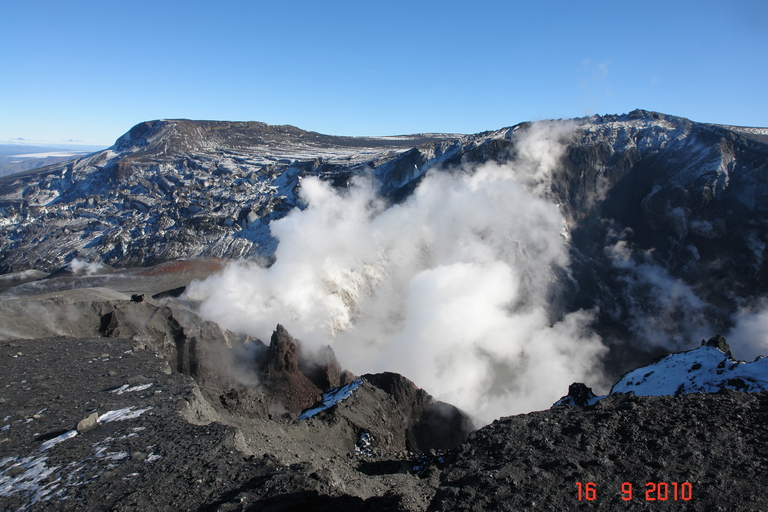
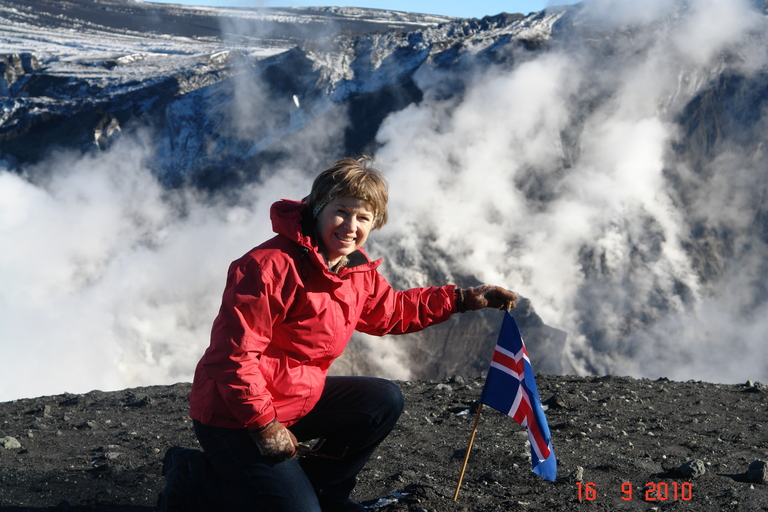
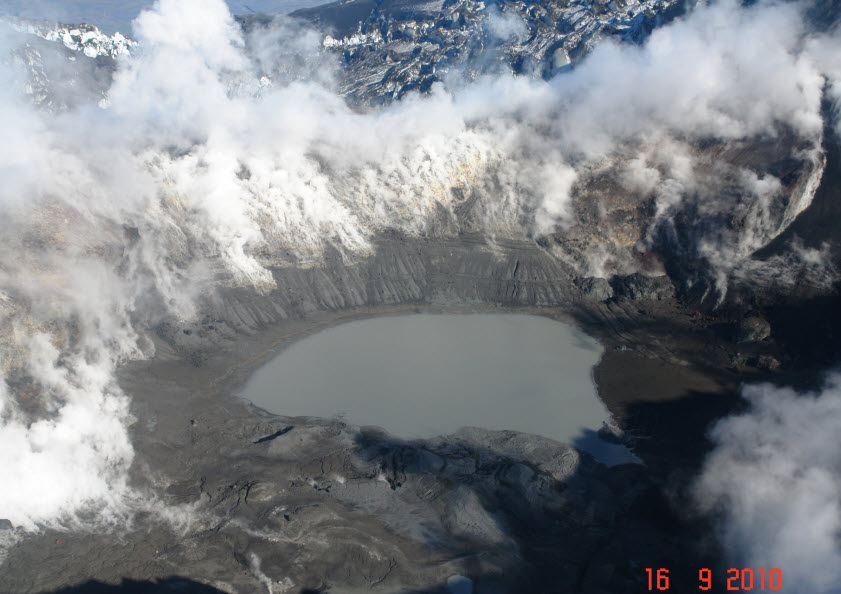
The main crater in Eyjafjallajökull a few months after the eruption with steam still rising from the eruption site and the broken glacier all around. The photograph was taken on September 16, 2010, by Guðný Valberg, a farmer on Þorvaldseyri farm, during a helicopter flight over the eruption site. Four months had passed since the eruption ended, but the end of the eruption was not declared until October 28.
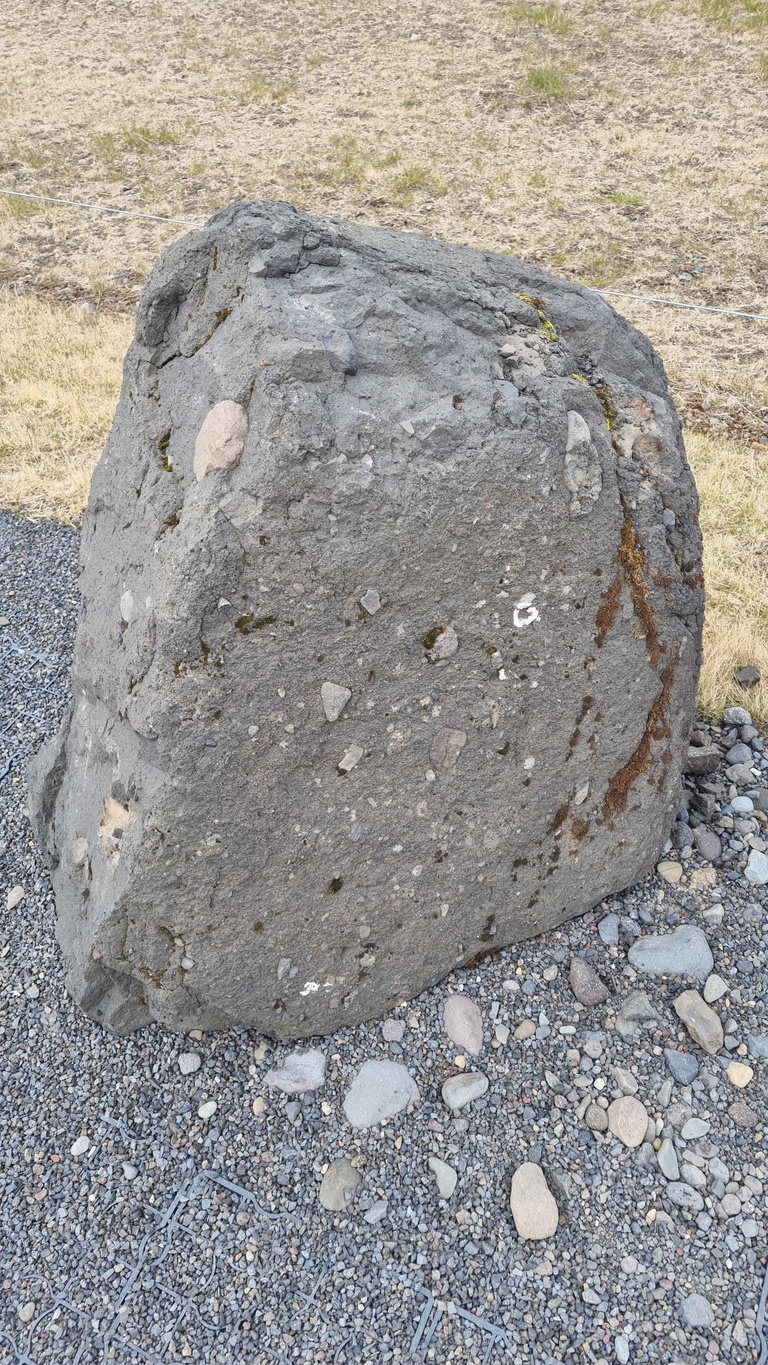
Tillite is lithified till, which are sediments that are derived from the glacial erosion of bedrock and mountain sides. High quantity of rock fragments can be underneath, within and on top of outlet glaciers and is called till. The till forms due to both rock collapses that land on top of the glaciers and due to scraping of the bedrock below the glaciers themselves, but ash can also collect on top of them. The glaciers carry the material with them, often forming thick and black layers near the glacial snout, before depositing it in moraines in front of the glaciers. The material can affect the melting of the glaciers as, if the material is thinner than 1-2 cm it slows down the melt but if it is thicker, it accelerates the melt. If the till is buried under new rock layers, such as lava, the till can begin to cement together and eventually the till will become a new rock layer.
Celebrating Earth Heritage
How to visit the Katla Geopark
Katla UNESCO Global Geopark is in central South Iceland