Best Places to See the Northern Lights in Katla Geopark
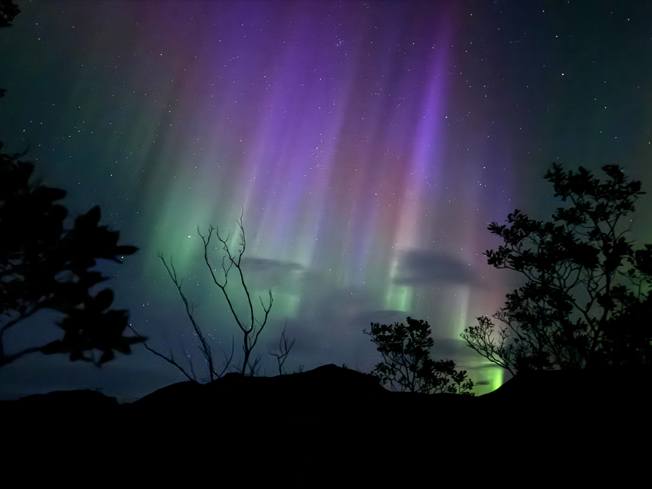
There are few experiences more magical than standing beneath an Icelandic night sky as streams of green light dance above you! Especially in South Iceland, the Northern Lights transform an already extraordinary landscape into something beyond words. And within Katla UNESCO Global Geopark, the combination of volcanic geology, dramatic coastlines, glaciers, and open skies creates an unforgettable setting for aurora hunting!
Whether you are visiting Vík í Mýrdal on a winter road trip, spending a few nights exploring the South Coast, or simply hoping to witness the aurora borealis for the first time, Katla Geopark offers plenty of beautiful places to look up.
The Northern Lights are never guaranteed, but with a little patience, flexible plans, and the right weather conditions, your evening adventure could become one of the highlights of your Iceland journey.
Vík í Mýrdal: Northern Lights Above the Village
The sweet little village of Vík is an ideal base for exploring Katla Geopark and searching for the Northern Lights. To illustrate, you are surrounded by mountains, black volcanic sands, and the fierce North Atlantic Ocean, Vík offers several scenic viewpoints without requiring a long drive into the countryside.
One of the most recognizable landmarks is Víkurkirkja, the iconic white church with its distinctive red roof perched on the hillside above the village. On a clear night, the church and surrounding landscape can provide a beautiful backdrop for aurora photography or simply experiencing it too!
For a better chance of seeing fainter Northern Lights, look for a safe viewing location away from the brightest village lights. Sometimes, the best Northern Lights experience is the simplest one: Stepping outside, allowing your eyes to adjust to the darkness, and watching the sky...
Photography tip: Use the church, surrounding mountains, or distant coastline to create depth in your photographs. A tripod will help you capture more detail in low light.
Kirkjubæjarklaustur: Dverghamrar Basalt Stacks
Few landscapes are as unmistakably Icelandic as Reynisfjara basalt stacks, the famous black-sand beach just west of Vík. Its dark volcanic shoreline, dramatic basalt columns, and offshore Reynisdrangar sea stacks create a spectacular setting for landscape photography. However, we would rather lead you to another area named, Dverghamrar just outside of the town of Kirkjubæjarklaustur. Why? It is less touristy and way more dynamic for a quite Northern Lights hunting experience in Katla Geopark.
Hjörleifshöfði: A Volcanic Landmark on the Black Sands
For a different perspective on the landscapes of Katla Geopark, consider the area around Hjörleifshöfði, a striking volcanic headland rising from the vast black-sand plains east of Vík.
This unusual landscape tells a story of Iceland’s volcanic and glacial past. The contrast between the dark sands, the isolated headland, and the immense night sky makes the surrounding area an intriguing option to experience the Auroras!
Unlike a village viewpoint, the open landscape can feel wonderfully expansive. On a clear night, you may find yourself surrounded by a seemingly endless horizon, with the Northern Lights illuminating the sky above the volcanic terrain.
Access conditions are important here. Some approach tracks can be rough, and winter weather may make them unsuitable for ordinary vehicles. Check road conditions and use only permitted, accessible viewing areas. Avoid off-road driving onto sensitive sand plains or attempting to reach remote locations in unsafe conditions.
Skógafoss: Northern Lights Above a Mighty Waterfall
One of Iceland’s most iconic waterfalls, Skógafoss is a spectacular stop for anyone exploring the landscapes of Katla Geopark. Located along the South Coast, this powerful waterfall is approximately 60 meters (197 feet) and runs over an ancient sea cliff.
During the Northern Lights season, Skógafoss offers a truly unforgettable setting for night-sky photography. Imagine the aurora borealis shimmering above the waterfall, illuminating the dark cliffs while the rushing water creates an atmospheric soundtrack to your adventure.
On clear nights with strong aurora activity, the surrounding landscape can provide a beautiful foreground for capturing the Northern Lights against Iceland’s raw natural beauty. However, cloud cover, waterfall mist, and changing weather conditions can affect visibility and photography, so patience and flexibility are essential.
Photography tip: Bring a tripod and protect your camera from the waterfall’s spray. Keep a safe distance from the water and slippery rocks, especially in winter, when ice can make the viewing area hazardous. Never climb barriers or venture onto closed paths to get a better photograph.
Skógafoss is easily accessible from the South Coast route, making it a wonderful addition to a Katla Geopark road trip. If you plan to visit after dark, check road and weather conditions beforehand, and remember that the Northern Lights are never guaranteed.
When Is the Best Time to See the Northern Lights in Katla Geopark?
The Northern Lights season in Iceland generally runs from late August through mid-April, when the nights are sufficiently dark for the aurora to be visible.
Autumn and spring can offer a rewarding combination of darkness and travel opportunities, while the deepest winter months provide long nights for aurora watching. The best time on any particular evening depends on darkness, cloud cover, and solar activity.
Keep these three factors in mind:
-
Darkness: Choose a location away from unnecessary artificial lighting, and allow your eyes time to adjust.
-
Cloud cover: Even a strong aurora will be hidden behind thick clouds. Check the Icelandic Meteorological Office forecast before heading out
-
Aurora activity: Monitor the aurora forecast, but remember that predictions are not guarantees. Conditions can change, and displays can appear unexpectedly.
There is no single location in Katla Geopark that guarantees a sighting. Being flexible and staying in the region for several nights gives you more opportunities to find a suitable combination of conditions.
How to Prepare for a Northern Lights Adventure
Aurora hunting often involves standing outside for extended periods, sometimes in wind, cold, or damp conditions. A little preparation makes the experience far more enjoyable though!
Before leaving your accommodation:
-
Check the weather, cloud cover, aurora forecast, and current road conditions.
-
Wear warm thermal layers, an insulating jacket, waterproof outerwear, gloves, and sturdy footwear.
-
Bring a charged phone, a headlamp, and spare batteries if possible.
-
Use designated parking areas and never stop in the road to photograph the sky.
-
Tell someone your plans if heading to a remote location.
-
Follow local safety advice and respect any closures or access restrictions.
For photography, a tripod and a camera capable of manual exposure settings are helpful. But with a decent phone you can rock it out too!
Most importantly, remember to put the camera down occasionally. Some moments are best experienced with your own eyes!
Plan responsibly: Northern Lights sightings are never guaranteed. Always check current weather, aurora forecasts, road conditions, and site-access restrictions before setting out.
Celebrating Earth Heritage
How to visit the Katla Geopark
Katla UNESCO Global Geopark is in central South Iceland